Forget the Crowds: Why More Americans Are Trading Famous Landmarks for Towns You've Never Heard Of
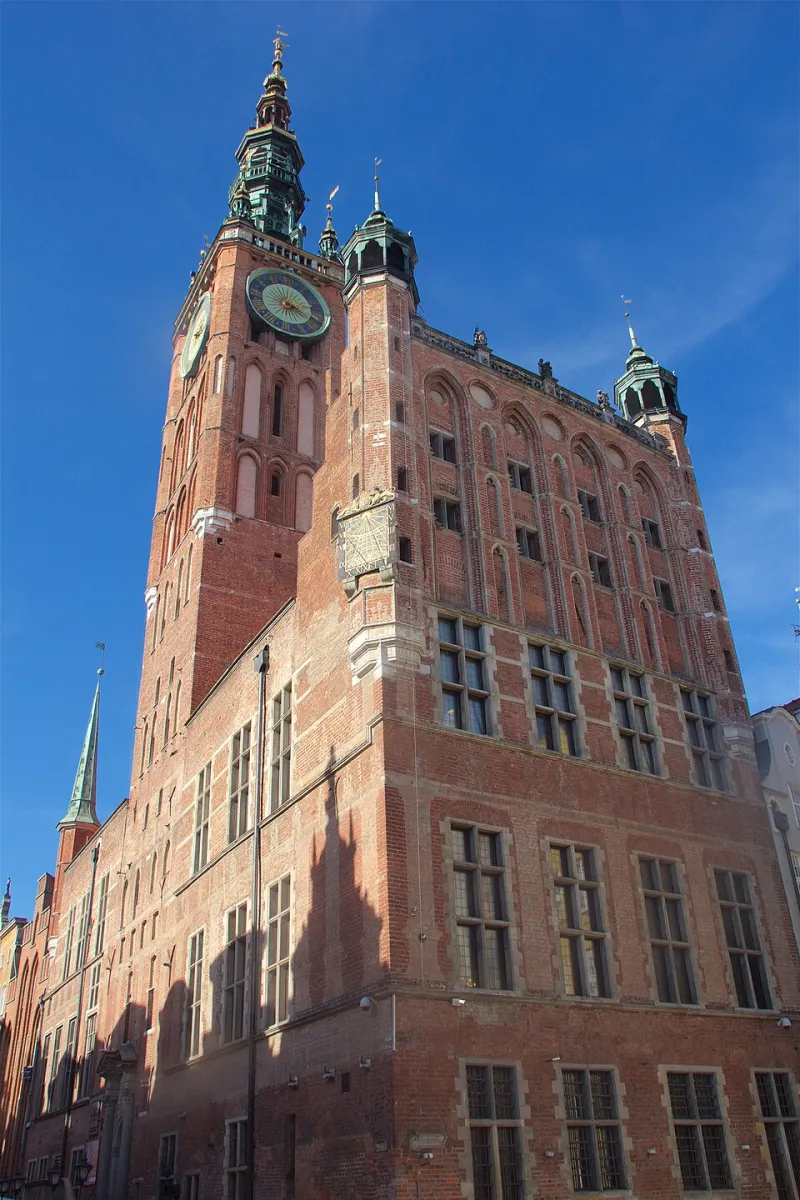
Photo: Photograph by Mike Peel (www.mikepeel.net)., CC BY-SA 4.0, via Wikimedia Commons
There's a particular kind of exhaustion that sets in when you're standing in line for two hours to see something you've already seen a thousand times on Instagram. Maybe you've felt it at the Eiffel Tower, or maybe it hit you while waiting for a table in downtown Nashville surrounded by bachelorette parties. Whatever the trigger, a growing number of American travelers are responding to that feeling the same way — by simply going somewhere else entirely.
Welcome to the era of the micro-destination.
What Exactly Is a Micro-Destination?
The term doesn't have a rigid definition, but travel insiders generally use it to describe small towns, villages, or overlooked neighborhoods that offer rich cultural experiences without the infrastructure — or the chaos — of mainstream tourism. Think populations under 20,000, maybe one or two boutique hotels, a farmers market that actually feeds locals, and streets where you're not dodging tour groups every ten feet.
Search data backs up the shift. According to travel analytics firm Destination Analysts, interest in searches for "small town travel" and "off the beaten path USA" has climbed steadily since 2021, with a notable spike in 2023 among travelers aged 28 to 45. Booking platforms like Hipcamp and Vacasa have reported surges in reservations for rural and semi-rural properties far from traditional tourist corridors.
"People came out of the pandemic with a different relationship to travel," says Sarah Kline, a travel behavior researcher based in Portland, Oregon. "There's less tolerance for performative tourism — going somewhere just to say you went. Travelers want to feel something genuine, and that's harder to find when a place has been optimized for visitors."
The Overtourism Hangover
It's worth understanding what's pushing people away before exploring what's pulling them toward somewhere new. Cities like Dubrovnik, Santorini, and even Sedona, Arizona have become cautionary tales. Locals in Venice have staged protests. Sedona has implemented shuttle systems to manage trail congestion. The magic that made these places worth visiting in the first place is being slowly worn away by the volume of people arriving to experience it.
For American travelers specifically, the math has also changed. Flights to major European hubs are pricier than they were five years ago. Hotel rates in New York, San Francisco, and Miami have climbed to levels that make weekend trips feel like financial decisions rather than spontaneous adventures. When the cost-benefit analysis of a famous destination starts looking shaky, suddenly that quirky small town a four-hour drive away seems a lot more interesting.
Seven Towns Worth Putting on Your Map
Marfa, Texas has been quietly building a reputation for years, but it still catches first-timers off guard. A high desert art town with a population of around 1,800, it's home to the Chinati Foundation, a world-class contemporary art museum that feels almost hallucinatory in its remote setting. The surrounding landscape is stark and beautiful, and the community has a creative energy that's completely its own.
Lewisburg, West Virginia is the kind of place that makes you reconsider everything you thought you knew about Appalachia. Named one of the "Coolest Small Towns in America" by Budget Travel, it has an independent bookstore, a thriving arts scene, and access to some of the best hiking in the eastern United States. Lodging is affordable and the food scene punches well above its weight.
Bisbee, Arizona sits near the Mexican border and feels like a fever dream in the best possible way. A former copper mining town that reinvented itself as an arts colony, it's built into steep canyon walls with colorful Victorian homes and galleries tucked into every corner. It's weird, it's warm, and it's nothing like anywhere else in the Southwest.
Leavenworth, Washington often gets dismissed as a kitschy Bavarian-themed tourist trap — and parts of it are — but push past the main strip and you'll find genuine outdoor access, excellent craft breweries, and a surrounding valley that's stunning in every season. It's particularly underrated as a winter destination.
Taos, New Mexico isn't unknown, but it's consistently overshadowed by Santa Fe despite having arguably more soul. The Taos Pueblo is one of the oldest continuously inhabited communities in North America, the art colony history runs deep, and the skiing at Taos Ski Valley is world-class without the Aspen price tag.
On the international side, Plovdiv, Bulgaria is a revelation for travelers willing to go a bit further off the European script. It's the second-largest city in Bulgaria, home to a beautifully preserved old town, Roman ruins, and a contemporary arts scene that's been growing since it served as a European Capital of Culture in 2019. Costs are dramatically lower than Western Europe.
Humahuaca, Argentina in the Quebrada de Humahuaca region is a UNESCO World Heritage Site that sees a fraction of the visitors who flood Buenos Aires and Patagonia. The canyon landscapes are otherworldly, the indigenous Andean culture is vivid and present, and the local food — including some of the best empanadas you'll ever eat — is rooted in traditions that go back centuries.
What Makes a Micro-Destination Work?
Not every small town is worth the detour. Travel consultant and former National Geographic Traveler editor Norie Quintos points out that the best micro-destinations tend to share a few qualities: a strong sense of local identity, some form of cultural or natural anchor, and enough basic infrastructure to make a visit comfortable without being homogenized.
"The worst thing that can happen to a hidden gem is that it becomes a destination brand before it's ready," she says. "Places that grow organically, where tourism is a byproduct of a healthy local culture rather than the whole economy, tend to hold their character longer."
That's the tension at the heart of the micro-destination trend. The more people seek out these places, the more pressure builds on them to change. Travelers who genuinely care about the communities they visit tend to be more thoughtful — spending at local businesses, staying longer, moving slower — but the scale effect is real.
How to Travel Like You Mean It
If you're ready to trade the tourist trail for something more honest, the shift in mindset is more important than the destination itself. Stay longer than you think you need to. Eat where locals eat. Ask questions. Learn at least a handful of words in the local language if you're traveling internationally. And maybe most importantly — resist the urge to over-document. Some of the best travel experiences are the ones that exist only in your memory.
The map is bigger than the highlights. WonderMap exists to help you find the parts of it that most people skip right over — and right now, those overlooked corners are where the most interesting travel is happening.