Before and After: The Destinations That Aren't What They Used to Be (And Whether That Matters)
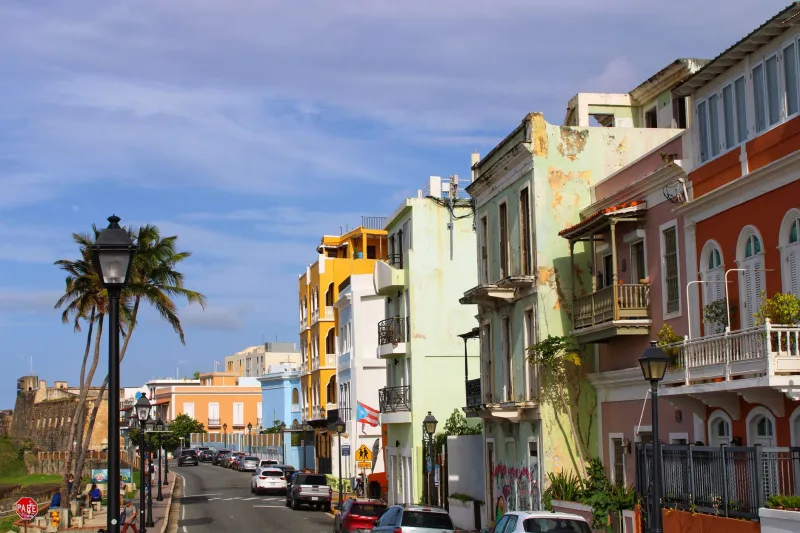
There's a particular kind of travel grief that doesn't get talked about much. It's not the grief of missing a place you've never been — that's just wanderlust, and it's manageable. This is the grief of returning somewhere that meant something to you and realizing, standing on a street corner you used to love, that it's gone. Not the street. The feeling. The whole invisible architecture of a place that made it what it was.
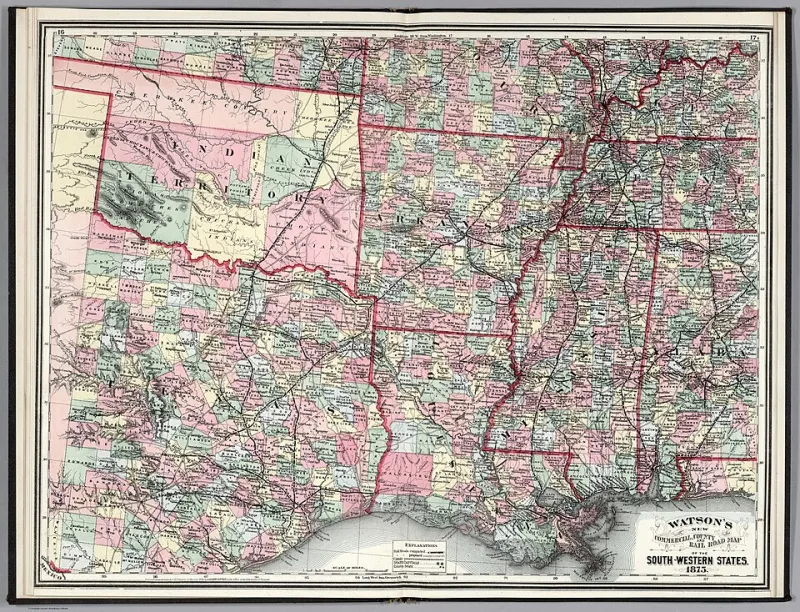
Over the last decade, that experience has accelerated. Gentrification, mass tourism, climate shifts, and post-pandemic economic reshuffling have redrawn the cultural maps of destinations faster than most travelers can keep up. And for every traveler who's heard "you should have seen it before," there's a nagging question underneath: before what, exactly?
The Places That Changed the Most
Ask any travel writer with more than ten years of field experience and they'll have a list. Lisbon. Tulum. Asheville, North Carolina. Marfa, Texas. Hoi An. These aren't obscure places anymore — and that's precisely the point.
Lisbon, for instance, was still a deeply affordable, quietly melancholy European capital as recently as 2014. Today it routinely lands on "most expensive cities" lists alongside Paris and Amsterdam. The fado bars in Alfama still exist, but they're now sandwiched between Airbnbs and specialty coffee shops catering to digital nomads. Is it still beautiful? Absolutely. Is it the same place that launched a thousand "Europe's best-kept secret" articles? Not really.
Closer to home, Marfa, Texas tells a similar story. Once a remote art-world outpost that required genuine commitment to reach, it's now a pilgrimage site for design-conscious travelers with Instagram followings. The Chinati Foundation is still there. The Prada Marfa installation still draws road-trippers off US-90. But locals who've been there for decades describe a town that has, in some ways, become a performance of itself.
"There's a difference between a place evolving and a place being consumed," says one travel writer who has covered the American Southwest for over fifteen years. "Evolution usually comes from within. Consumption comes from outside pressure that the community never asked for and often can't control."
What We Actually Lose
Cultural historians are careful to push back on the romanticization of "the old version" of any place. Every destination has always been changing — that's what living communities do. The question isn't whether change happened, but who it happened for.
When a neighborhood in New Orleans gets renovated after a hurricane, that's recovery. When the same neighborhood gets priced out of reach for the people who lived there, that's displacement wearing the costume of improvement. The distinction matters enormously for travelers trying to understand what they're actually walking into.
What tends to get lost in rapidly transforming destinations is harder to photograph than a new hotel lobby. It's the density of long-term relationships — the butcher who knows your name, the bar where the same group of retirees has been meeting on Tuesday afternoons for twenty years, the bakery that doesn't have a website because it doesn't need one. These are the textures that make a place feel real rather than curated.
"Travelers often sense the absence of these things without being able to name it," says one cultural geographer who studies tourism's impact on small American towns. "They'll say a place felt 'touristy' or 'fake,' and what they're really detecting is the replacement of organic social infrastructure with commercial infrastructure designed to simulate it."
How to Find the Version That Still Exists
Here's the thing, though: even dramatically changed destinations usually contain pockets of the older, less-packaged version of themselves. Finding those pockets requires a different kind of navigation — less app-dependent, more conversation-dependent.
A few approaches that travel writers swear by:
Go earlier or later than the peak. The shoulder season version of a popular destination often retains more of its original character simply because the volume of visitors drops and the infrastructure built to serve them goes quiet. Tulum in May feels like a different city than Tulum in January.
Ask about the neighborhood one zone out. In almost every city that's undergone significant gentrification, the "it" neighborhood is surrounded by areas that are five to seven years behind it on the same curve. Those adjacent zones often have the affordability, local businesses, and community feel that drew people to the trendy area in the first place.
Talk to service workers, not just business owners. The bartender who's been working at the same spot for twelve years has a completely different map of a city than the person who opened a boutique hotel there two years ago. Both perspectives are valuable, but only one of them has watched the transformation happen in real time.
Look for the institutions that predate the boom. Old diners, legacy hardware stores, community churches, local newspapers — these tend to be anchors. If they're still standing and still operating, they're usually still connected to the community that existed before the wave hit.
Is It Still Worth Going?
This is the question everyone actually wants answered, and the honest answer is: it depends on what you're going for.
If you're chasing the specific version of a place you read about in a ten-year-old travel essay, you're probably going to be disappointed. That version exists now primarily in photographs, in the memories of people who were there, and in the occasional tucked-away corner that hasn't been touched yet.
But if you're willing to visit a destination as it actually is — with curiosity about its current contradictions rather than nostalgia for its past coherence — most places are still worth the trip. Change, even uncomfortable change, is itself a kind of story. The tension between what a place was and what it's becoming is often where the most interesting conversations happen.
Marfa is still worth going to. So is Lisbon. So is Asheville, despite the crowds. What's required is a recalibration of expectations and a willingness to do a little more digging to find what's genuine underneath the layer of tourism infrastructure.
Documenting Before It's Gone
For travelers who are genuinely motivated by preservation — or at least by witnessing — there's something to be said for treating a visit to a changing place as a kind of documentation project. Not in an exploitative way, but in the spirit of paying careful attention.
Write things down. Talk to older residents if they're willing to talk. Visit the local historical society or library, which almost always has archives that tell a completely different story than the tourist brochures. Take photographs of the ordinary things — the hardware store, the laundromat, the side street with the peeling mural — not just the photogenic landmarks.
The best travel, in some ways, has always been a form of witnessing. And right now, across dozens of destinations that are mid-transformation, there's a lot worth witnessing before the map gets redrawn again.