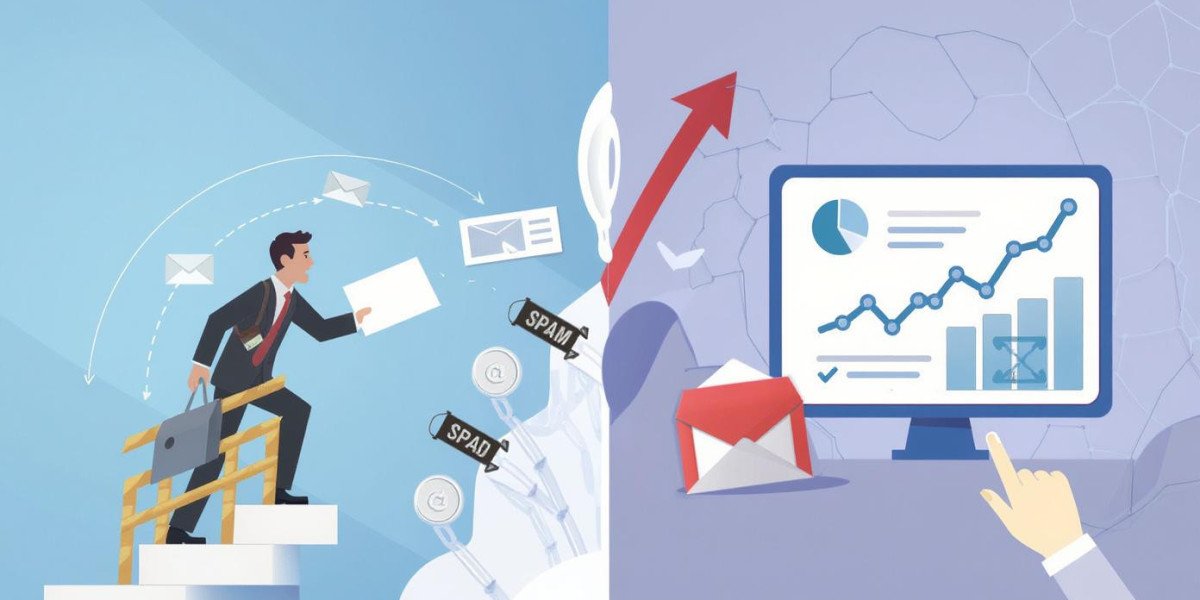

Email marketing has long been a staple in digital marketing strategies for businesses seeking to engage customers directly. Its ability to deliver targeted messages, promote products, and nurture leads makes it an attractive and cost-effective tool. Despite its benefits, email marketing is not without limitations. Many companies underestimate the challenges that can hinder campaigns, reducing engagement and ROI. Understanding these restrictions is essential for crafting effective strategies. For businesses wanting a comprehensive exploration of these challenges, Email Marketing Limitations for Businesses provides an in-depth guide.
Deliverability Challenges Impacting Reach
One of the most significant limitations in email marketing is ensuring emails reach recipients’ inboxes. Spam filters, blacklisted IP addresses, poor sender reputation, and server issues can prevent emails from being delivered. Even when emails do arrive, there is no guarantee that recipients will notice or engage with them.
Maintaining clean, verified subscriber lists and monitoring sender reputation are critical practices for improving deliverability. Sending emails to inactive addresses or failing to adhere to best practices can negatively affect future campaigns and reduce inbox placement over time.
Audience Overload and Engagement Fatigue
Consumers today receive an overwhelming volume of emails, from promotional messages to newsletters and alerts. Sending too many emails or irrelevant content can result in email fatigue, lowering engagement and increasing unsubscribes.
Segmenting audiences based on behavior, preferences, and interactions allows marketers to send targeted, relevant content. Understanding audience preferences through analytics and feedback ensures that emails are meaningful and not intrusive, maintaining engagement without causing fatigue.
Personalization Limitations
Personalization is often promoted as a strength of email marketing, but it has its constraints. Basic personalization, such as including a recipient’s name, is widely used but rarely sufficient to drive engagement. True personalization requires insights into individual behavior, preferences, and lifecycle stages.
Businesses lacking the tools or data to implement advanced personalization may produce generic emails that fail to resonate with subscribers. Investing in analytics, segmentation, and dynamic content creation allows marketers to deliver personalized messages that engage recipients effectively.
Misleading Metrics and Analytics
Email marketing platforms provide a variety of metrics, including open rates, click-through rates, and conversion rates. While useful, these metrics can sometimes misrepresent campaign performance. High open rates do not guarantee content engagement, and low click-through rates may reflect design flaws or poor calls-to-action rather than disinterest.
Integrating email metrics with CRM data, website analytics, and sales metrics provides a more accurate view of campaign performance. This holistic approach enables marketers to identify areas for improvement, optimize messaging, and make data-driven decisions.
Compliance and Legal Restrictions
Email marketing is regulated under laws such as GDPR, CAN-SPAM, and other regional privacy regulations. Compliance is essential to avoid fines, reputational damage, and loss of trust. These regulations affect how businesses can collect, store, and use subscriber data, limiting targeting, segmentation, and personalization efforts.
Ensuring consent, providing clear opt-out mechanisms, and adhering to content guidelines are essential steps for compliance. While these laws protect consumers, they also pose challenges for businesses trying to optimize email campaigns without violating regulations.
Design and Technical Constraints
Creating visually appealing emails that render properly across multiple devices and clients is another challenge. Emails may look perfect on desktops but break on mobile devices, causing links to fail or images not to display correctly. Poorly rendered emails can reduce engagement and damage brand credibility.
Testing across multiple devices and email clients is critical but can be resource-intensive. Optimizing for mobile responsiveness and compatibility ensures a consistent, professional experience for all recipients.
Risks of Spam Flagging and Blacklisting
High-volume sending, unverified email addresses, or low-quality content can lead to spam complaints or blacklisting by email providers. Being blacklisted can prevent even legitimate emails from reaching subscribers, significantly reducing campaign effectiveness.
Maintaining a clean list, sending high-value content, and monitoring engagement metrics are essential practices to prevent spam issues. Following email best practices helps maintain a positive sender reputation and ensures consistent inbox placement.
Resource and Skill Limitations
Effective email campaigns require strategy, content creation, technical expertise, and analytics. Many businesses, particularly smaller organizations, may lack the resources or skills to manage all aspects efficiently. This can result in campaigns that fail to engage audiences or deliver measurable ROI.
Investing in skilled personnel, marketing automation tools, or external agencies can help overcome these limitations. Proper allocation of resources ensures campaigns are executed professionally and generate results.
Long-Term Impact and ROI Challenges
While email marketing provides immediate metrics like opens and clicks, understanding long-term effects on customer loyalty, retention, and lifetime value is challenging. Many businesses struggle to link email engagement to tangible outcomes such as repeat purchases or revenue growth.
Integrating email analytics with CRM data, sales metrics, and other customer engagement indicators provides a clearer picture of long-term performance. This enables marketers to refine strategies, optimize content, and maximize ROI over time.
Despite these restrictions, email marketing remains a highly effective channel when executed strategically. Awareness of limitations such as deliverability issues, personalization constraints, compliance challenges, technical hurdles, and long-term measurement difficulties allows businesses to create campaigns that drive meaningful engagement, improve ROI, and foster long-term customer relationships.
LeadSkope is a comprehensive, AI‑powered lead-generation platform designed to help businesses grow by capturing, enriching, and engaging with high-quality prospects. With a suite of powerful tools, LeadSkope empowers sales and marketing teams to scale their outreach and drive conversions efficiently.