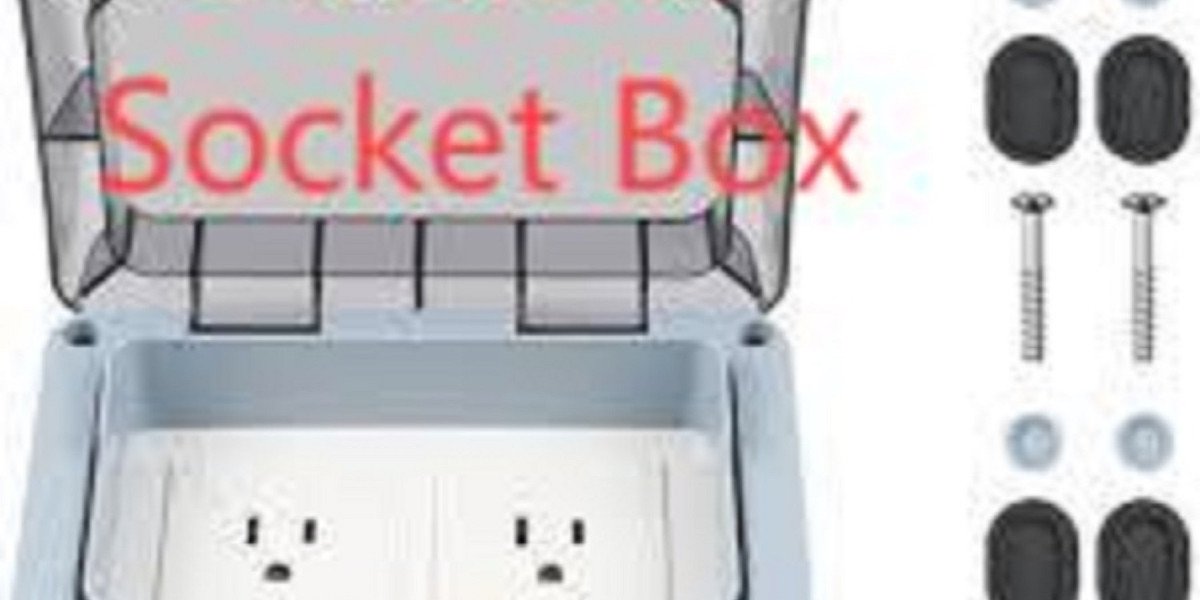

Outdoor power points must be robust, safe, and easy to service, which is why many specifiers place a Outdoor Socket Box at the center of their exterior electrical strategy to protect connections and simplify maintenance. By putting the Outdoor Socket Box in the middle of site planning — rather than treating outlets as afterthoughts — teams reduce downtime, improve safety, and make routine inspections far more effective.
Climate-aware materials and sealing strategies
Selecting the correct materials and sealing architecture is the first line of defense against weather-related failures. Modern enclosures use UV-stable thermoplastics or powder-coated aluminium to resist sun damage and corrosion. Multi-stage sealing — combining molded gaskets, compression flanges, and sloped lids that shed water — reduces the chance of ingress during storms. For humid or coastal sites, breather membranes and hydrophobic vents prevent internal condensation while maintaining pressure equalization. Designers should also specify stainless hardware and corrosion-resistant inserts where repeated access is expected to avoid degraded grounding connections over time.
Tamper resistance and user safety
Exterior receptacles often face deliberate or accidental tampering, so mechanical and electronic countermeasures help protect both the public and the equipment. Recessed outlets, tamper-proof shutter mechanisms, and lockable lids deter casual interference. Where public access is necessary, clear labeling combined with guarded switches or key-operated isolators prevent unauthorized energization. For applications near pedestrian zones or parks, arc-resistant internal layouts and accessible earth-test points allow inspectors to verify protective function without exposing live terminals. Integrating visible fault indicators and simple reset procedures also speeds response when ground-faults or overloads occur.
Thermal management and electrical integrity
Temperature swings and solar heating can stress components and accelerate aging. Thoughtful internal layout separates high-current conductors from sensitive electronics, and heat-dissipating paths or thermal barriers keep critical parts within rated temperatures. For enclosures exposed to direct sun, reflective finishes or integrated shading reduce thermal loading. Designers can also incorporate simple passive measures — such as ventilation channels placed above internal components — to encourage convective cooling without compromising ingress protection. Ensure that contactors, breakers, and connectors are derated appropriately for expected ambient temperatures to maintain consistent performance.
Nante Smart Accessories and integration
Vendors that supply a complementary accessory range make installation and upkeep simpler. Nante offers options such as dust caps, cable retention clamps, color-coded faceplates, and tamper-resistant locks that align with field needs. Prewired inlet harnesses, serialized part lists, and downloadable CAD files allow teams to plan cable entries and mounting templates in advance. For projects requiring monitoring, add-on modules provide metering, basic telemetry, or status LEDs so remote teams can observe power state and fault conditions. Choosing a supplier with clear documentation and available spares reduces surprises during commissioning.
Installation tactics and lifecycle planning
Installers should plan mounting height, cable entry protection, and routing before the unit arrives. Position boxes where water will naturally run away, avoid locations under overhang drip lines, and use reinforced entry glands with proper strain reliefs. Create a maintenance schedule that includes visual housing checks, gasket inspection, torque checks on high-current terminals, and occasional earth-resistance verification. Keep a minimal spare kit—caps, fuses, common breakers, and gasket strips—so minor repairs don’t require returning units to a workshop. Over time, standardized footprints across sites reduce spare-part diversity and speed emergency replacements.
In summary, treating exterior outlets as engineered systems rather than simple sockets transforms them from potential liabilities into durable utilities. Prioritize climate-appropriate materials, tamper-resistant features, thermal design, and a vendor-supported accessories ecosystem to extend service life and ease maintenance. A considered approach to installation and lifecycle planning — together with supplier documentation and spare availability — keeps outdoor power reliable and safe. For product specifications and further details, visit https://www.nante.com/product/