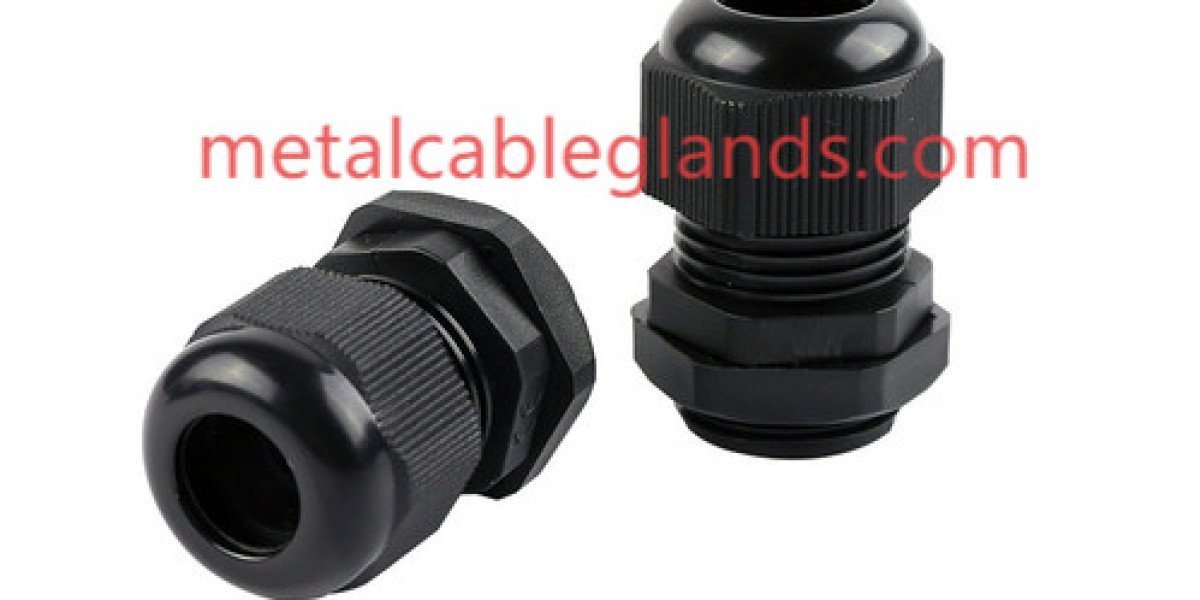

In modern electrical systems, securing cables while maintaining insulation and environmental protection is crucial. The Plastic Cable Gland Manufacturer offers a reliable solution for mechanical retention, sealing, and electrical safety, making it a preferred choice across industrial, commercial, and infrastructure applications. Zhejiang Hongjuesi Connector Co., Ltd. produces high-quality Plastic Cable Glands designed to combine durability, chemical resistance, and ease of installation for long-lasting performance.
Plastic Cable Glands are typically manufactured from high-strength polymers such as PA66 nylon or polypropylene. These materials provide excellent mechanical strength while resisting corrosion, UV exposure, and chemical degradation. Unlike metallic glands, plastic options are lightweight and non-conductive, which makes them ideal for applications requiring electrical isolation while maintaining environmental sealing. Reinforced designs enhance tensile strength and pull-out resistance, ensuring the cable remains securely fastened even in high-vibration or high-stress environments.
The core function of a Plastic Cable Gland is to protect and secure the cable while providing a barrier against dust, moisture, and contaminants. Sealing components, including O-rings and compression elements, ensure IP-rated protection, maintaining system reliability in harsh or outdoor environments. Properly installed, a Plastic Cable Gland reduces mechanical stress on the cable entry point and ensures consistent electrical safety.
Performance metrics for Plastic Cable Glands include pull-out force, sealing efficiency, chemical resistance, and temperature tolerance. High-quality glands maintain integrity under temperature variations from -40°C to +100°C, making them suitable for industrial environments with fluctuating conditions. The design also supports multiple cable diameters, allowing flexibility for different wiring applications while preserving mechanical and environmental protection.
Applications for Plastic Cable Glands span a wide range of industries. In manufacturing, they are used to protect control and automation cables from dust, moisture, and accidental damage. In renewable energy systems, including solar and wind installations, Plastic Cable Glands provide safe, weatherproof cable entries. Telecommunications and data center environments benefit from their lightweight, non-conductive properties, which reduce interference while simplifying installation and maintenance.
Infrastructure and commercial buildings also rely on Plastic Cable Glands for secure wiring. Fire alarm systems, security networks, and building automation installations utilize these glands to maintain safe, reliable connections while meeting IP rating requirements for dust and water ingress. Their ease of installation and adaptability make them a cost-effective solution for electrical contractors and facility managers.
In process industries, such as chemical, pharmaceutical, and food production, Plastic Cable Glands ensure that cables remain protected from exposure to liquids, chemicals, or particulate matter. Corrosion-resistant polymers help maintain system longevity and reduce maintenance costs. These glands are especially valuable in hazardous or corrosive environments where metallic glands may degrade or fail over time.
Zhejiang Hongjuesi Connector Co., Ltd. provides a comprehensive range of Plastic Cable Glands engineered for industrial, commercial, and infrastructure applications. Their products offer reliable mechanical retention, environmental sealing, and electrical safety, enabling engineers and installers to implement secure, adaptable, and long-lasting cable connections.For detailed product information on Plastic Cable Glands, visit Zhejiang Hongjuesi Connector Co., Ltd.: https://www.metalcableglands.com .