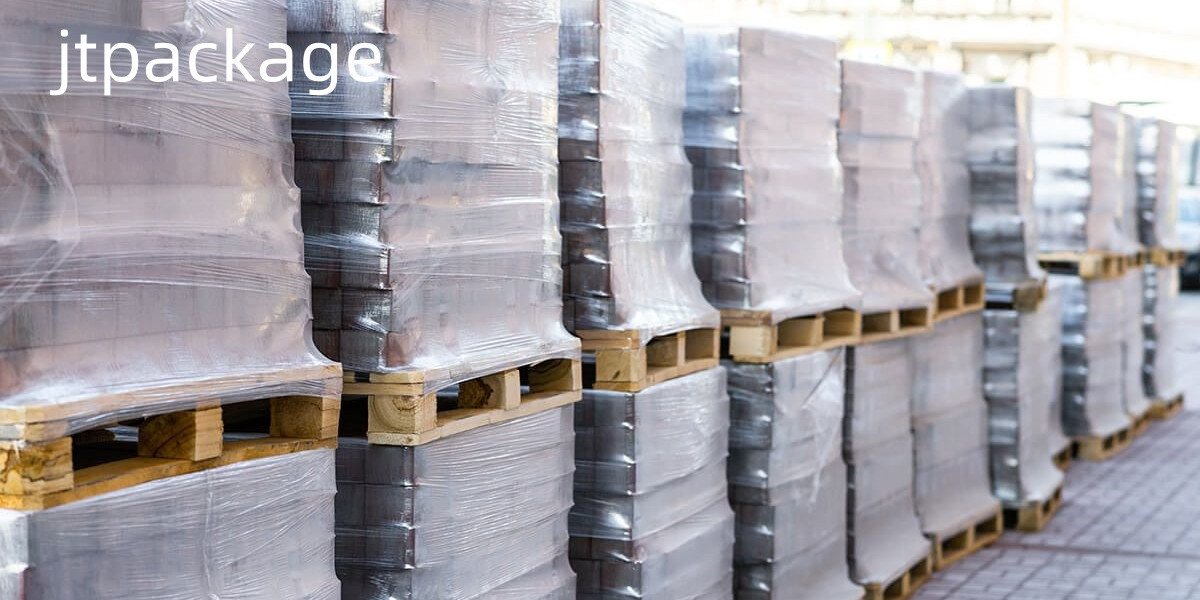

POF Shrink Film from Jtpackage is widely recognized for its clarity, flexibility, and reliability in packaging applications across diverse industries. Manufacturers and retailers rely on these films to ensure products remain secure, visually appealing, and protected during storage and transport. However, what factors influence the shrinkage performance of POF Film, and how can businesses optimize results for consistent packaging outcomes?
The composition of the film itself is a primary factor. High-quality polyolefin resins provide uniformity in molecular structure, which determines the film's ability to shrink evenly around products. Variations in resin quality, additives, or processing methods can alter elasticity, shrink rate, and clarity, affecting both appearance and protection. Jtpackage emphasizes precision in material selection to maintain predictable shrinkage characteristics.
Temperature control during the shrinking process is another critical consideration. Applying consistent heat ensures that the film contracts evenly without wrinkling or tearing. Overheating can lead to overstretching, loss of clarity, or partial shrinkage, while insufficient heat may result in loose wrapping that compromises protection. Proper equipment calibration and operator training are essential to achieve uniform results on each production line.
Humidity and environmental conditions also affect shrink performance. Excess moisture or high humidity levels can alter the film's tension and adhesion properties, resulting in uneven wrapping or weak seals. Maintaining controlled conditions in storage and during the packaging process can prevent these issues, ensuring that each product receives optimal protection.
Film thickness and gauge play a significant role in determining shrink behavior. Thicker films provide additional strength and puncture resistance but may require longer heating times to achieve full shrinkage. Conversely, thinner films offer faster heat response but may be prone to tearing if improperly handled. Balancing thickness with product requirements allows manufacturers to achieve both efficiency and reliability.
Machine settings, including conveyor speed, heat source placement, and dwell time, directly impact the consistency of shrink results. Automated systems must be calibrated to match the specific film and product combination, as deviations can lead to gaps, wrinkles, or incomplete sealing. Jtpackage works with clients to optimize machinery configurations for their unique packaging lines.
Even the shape and surface texture of products can influence shrink film performance. Irregular, rounded, or textured items may require specialized techniques to achieve tight, uniform wrapping. Understanding these variables enables packaging teams to adapt their processes and minimize material waste, ensuring cost efficiency and presentation quality.
Combining high-quality materials, controlled environmental conditions, and precise machinery operation ensures that Shrink Film achieves its intended performance. Proper training, attention to detail, and adherence to recommended practices maximize product protection while preserving aesthetic appeal. For further information on practical applications and optimization strategies, visit https://www.jtpackage.com/news/industry-news/what-is-polyolefin-pof-shrink-film-everything-you-need-to.html . Can your packaging operations consistently deliver optimal results with controlled POF Shrink Film processes?