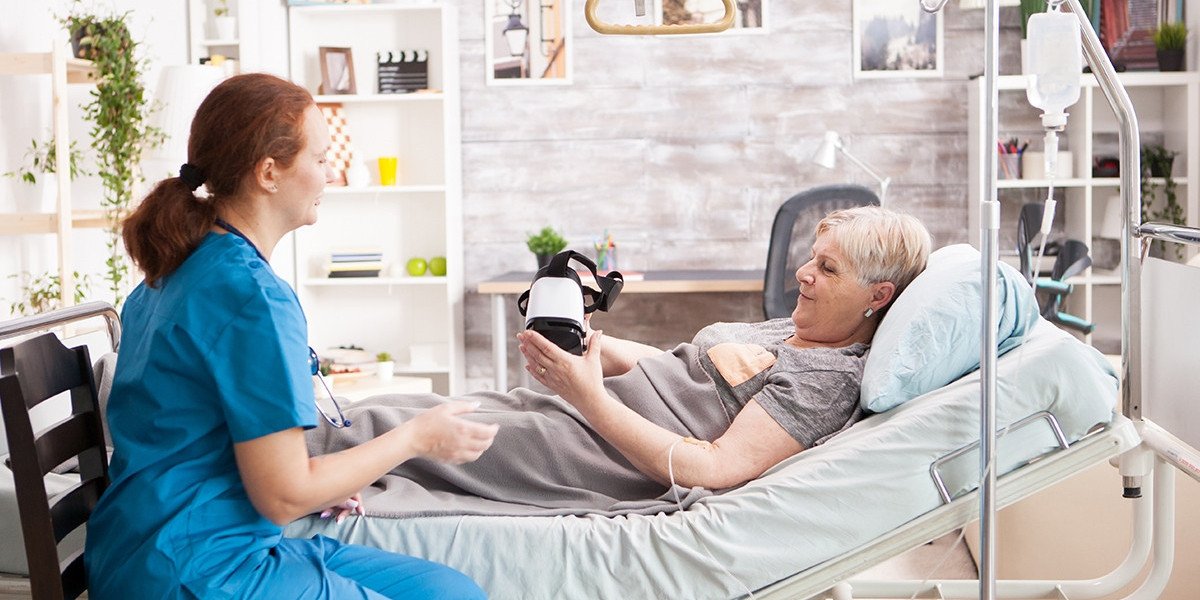

Post operative care at home is a critical phase of recovery where preventing infections becomes one of the most important priorities for ensuring safe and successful healing after surgery. Without proper precautions, even minor wounds can become infected and lead to serious complications, delayed recovery, or hospital readmission. In many cases, guidance from a Doctor at Home service can help families follow correct hygiene practices and recognize early signs of infection before they worsen. Understanding and applying infection prevention strategies at home ensures a safer, smoother, and more confident recovery process.
Understanding Infection Risks After Surgery:
After surgery, the body is more vulnerable to infections because incisions create open pathways for bacteria to enter. Reduced immunity, limited mobility, and wound exposure further increase the risk. Common infection risks include:
- Bacterial contamination at the surgical site
- Poor hygiene during dressing changes
- Improper medication use or missed antibiotics
- Exposure to unclean environments or surfaces
Recognizing these risks early helps families take proactive steps to protect patient health during post operative care at home.
Importance of Hygiene in Preventing Infections:
Maintaining strict hygiene is the foundation of infection prevention during home recovery, as cleanliness directly impacts wound healing and overall health. Families must ensure that both the patient and the environment remain clean. Key hygiene practices include:
- Regular handwashing before and after patient care
- Keeping the recovery area clean and dust-free
- Using sanitized tools for wound care
- Avoiding unnecessary touching of surgical sites
Good hygiene habits significantly reduce the chances of infection and support faster healing.
Proper Wound Care and Dressing Techniques:
Wound care is one of the most sensitive aspects of post-surgical recovery and must be handled with precision to avoid infection. Incorrect dressing techniques can introduce bacteria and delay healing. Essential practices include:
- Cleaning wounds only as instructed by healthcare professionals
- Using sterile gauze and medical-grade dressings
- Changing dressings in a clean and controlled environment
- Observing wounds for redness, swelling, or discharge
Proper wound management is essential for maintaining infection-free recovery.
Hand Hygiene and Caregiver Practices:
Hand hygiene is one of the simplest yet most effective ways to prevent infections during home recovery. Caregivers play a crucial role in ensuring clean handling of all medical procedures. Important practices include:
- Washing hands thoroughly with soap before patient contact
- Using alcohol-based sanitizers when soap is unavailable
- Wearing disposable gloves during wound care
- Avoiding contact with contaminated surfaces before caregiving
Consistent hand hygiene significantly reduces the spread of harmful bacteria.
Safe Medication Use and Antibiotic Compliance:
Proper medication use, especially antibiotics, plays a vital role in preventing post-surgical infections and supporting the body’s healing process. Misuse or missed doses can increase infection risks. Key guidelines include:
- Taking antibiotics exactly as prescribed by the doctor
- Completing the full course of medication
- Avoiding self-medication or dose changes
- Monitoring for side effects and reporting them promptly
Strict medication compliance ensures effective infection control and faster recovery.
Maintaining a Clean Recovery Environment:
A clean and well-maintained environment is essential for reducing exposure to harmful bacteria and promoting safe healing conditions. The patient’s surroundings should support hygiene and comfort. Important measures include:
- Regular cleaning and disinfection of patient rooms
- Keeping bedding and clothes clean and dry
- Ensuring proper ventilation in recovery areas
- Removing clutter and waste regularly
A controlled environment reduces infection risks and supports post operative care at home effectively.
Nutrition and Immune System Support:
Good nutrition strengthens the immune system, helping the body fight infections more effectively during recovery. A balanced diet plays a key role in healing. Recommended dietary practices include:
- Protein-rich foods such as eggs, chicken, and lentils
- Fresh fruits and vegetables for vitamins and antioxidants
- Adequate hydration through water and healthy fluids
- Avoiding junk, processed, or contaminated foods
Strong nutrition supports faster tissue repair and infection resistance.
Monitoring Early Signs of Infection:
Early detection of infection is crucial to prevent complications and ensure timely treatment. Families should closely observe the patient’s condition and report changes. Warning signs include:
- Persistent fever or chills
- Redness, swelling, or warmth around the wound
- Unusual discharge or foul smell from surgical sites
- Increased pain or delayed healing
Prompt action, including contacting a healthcare provider or arranging a Doctor at Home visit, can prevent infection from worsening.
Role of Mobility and Controlled Activity:
Limited but safe movement helps improve circulation and reduce infection risks caused by prolonged immobility. However, activity must be carefully managed. Key practices include:
- Encouraging light walking as advised by doctors
- Avoiding strain or pressure on surgical areas
- Supporting safe movement with assistance if needed
- Balancing rest and activity appropriately
Controlled mobility supports overall recovery and reduces complications.
Importance of Patient and Family Awareness:
Awareness among patients and families is essential for maintaining infection-free recovery at home. Educated caregivers are better equipped to follow medical instructions correctly. Key points include:
- Understanding wound care instructions clearly
- Recognizing infection symptoms early
- Following all post-surgical guidelines strictly
- Communicating regularly with healthcare providers
Informed caregiving significantly improves recovery outcomes and safety.
Final Thoughts.
Infection prevention is one of the most important aspects of post operative care at home, as it directly impacts healing speed, safety, and overall recovery success. By maintaining strict hygiene, following proper wound care techniques, ensuring medication compliance, and staying alert to early warning signs, families can significantly reduce infection risks. With proper planning and, when needed, professional support such as Doctor at Home services, patients can recover safely and comfortably in a home environment. A disciplined approach to infection prevention ensures smoother healing and better long-term health outcomes.