Every Expert Got It Wrong Once: The Travel Mistakes That Changed Everything

There's a version of travel expertise that looks like a highlight reel—perfectly timed arrivals, off-the-beaten-path discoveries, and an uncanny instinct for knowing which alley leads to the best meal in town. But spend enough time talking to the people who write about travel for a living, and a different picture starts to emerge. One full of missed turns, over-planned itineraries, and the occasional spectacular miscalculation.
We reached out to a handful of well-traveled writers, destination consultants, and longtime explorers and asked them a simple question: what do you wish you'd done differently? What came back wasn't a list of logistics failures. It was something closer to a map of the mind—a look at how even experienced travelers carry blind spots they don't notice until a place makes them visible.
The Over-Research Trap
Ask any seasoned travel writer about their worst habit, and a surprising number will land on the same answer: knowing too much before they arrive.
"I spent three weeks reading about Oaxaca before my first trip," one food and culture writer told us. "I had a spreadsheet. Color-coded. By neighborhood." She laughs about it now, but at the time, she was so locked into her pre-planned route that she nearly walked past the market stall that ended up inspiring a whole feature piece—because it wasn't on her list.
Over-research is a peculiar kind of travel mistake because it feels so responsible. You're being thorough. You're being smart. But what it actually does, according to more than a few experts we spoke with, is pre-load your expectations so heavily that the place you arrive at can never quite match the one you built in your head. You stop seeing what's in front of you and start auditing it against your notes.
The fix isn't to show up completely cold—that has its own pitfalls. It's about leaving deliberate gaps. Research the bones of a destination, then let the flesh surprise you.
Mistaking Efficiency for Experience
Another pattern that came up repeatedly: the trap of optimizing a trip so thoroughly that it stops feeling like travel and starts feeling like a logistics exercise.
A destination consultant who has helped design itineraries for high-end travel clients described a trip to Japan early in his career where he hit every single item on his list—every temple, every neighborhood, every recommended restaurant. "I got home and realized I couldn't remember most of it," he said. "It was like I'd been speed-reading a novel."
What he'd sacrificed in the name of efficiency was the thing that actually makes a place stick: time. Time to sit somewhere without an agenda. Time to notice the way light falls on a particular street at a particular hour. Time to get a little lost and discover that getting lost is often where the good stuff lives.
For American travelers especially—who tend to approach vacations with a productivity mindset, cramming as many destinations into two weeks of PTO as humanly possible—this is a deeply familiar failure mode. More stops does not mean more discovery. Sometimes it means less.
The Places They Skipped (And Never Stopped Thinking About)
If over-planning is one end of the spectrum, dismissal is the other. Several of the experts we talked to described a version of the same regret: a place they wrote off, skipped, or deprioritized—and have been quietly haunted by ever since.
One travel writer who covers the American South described driving through a small town in rural Mississippi that a friend had mentioned in passing. She had a deadline, a schedule, and a mental image of what that town probably was. She didn't stop. "I still think about it," she said. "I don't even know what I missed. That's the part that gets me."
This is a specific kind of travel regret—not the regret of something that went wrong, but the regret of a door that was never opened. It's impossible to mourn a specific experience you didn't have. What you mourn instead is the possibility itself.
The lesson these travelers took from it wasn't to stop everywhere indiscriminately. It was to examine the assumptions behind their dismissals. Why did they skip that place? Was it because they genuinely had good reason to, or because it didn't fit a narrative they'd already written?
When the Research Was Right and They Ignored It Anyway
Here's a twist that came up more than once: sometimes the mistake wasn't too much research or too little. It was having good information and overriding it with gut instinct at exactly the wrong moment.
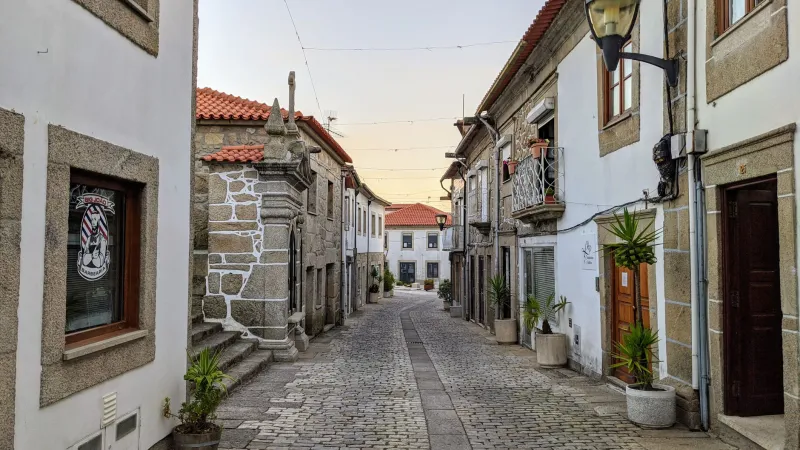
"I had a local contact in Lisbon who told me to avoid a particular neighborhood during a specific festival weekend," a travel photographer recalled. "I thought I knew better. I'd been to Lisbon before. I figured it would be fine." It wasn't fine. The crowds were overwhelming, the light was wrong for what she needed, and she lost two full shooting days trying to work around a situation she'd been warned about.
Experience, it turns out, can breed a certain kind of overconfidence. The more places you've been, the easier it becomes to assume that your accumulated instincts will carry you through situations where actual local knowledge should take the lead.
What the Regrets Actually Reveal
Pull back from the individual stories, and a pattern starts to take shape. The mistakes that stayed with these travelers longest weren't the logistical ones—the missed trains, the wrong hotels, the restaurants that turned out to be tourist traps. Those are annoying in the moment and forgotten quickly.
The ones that linger are the ones that reveal something about how they think. The over-researched trip that showed a writer she was more interested in being right than being present. The skipped town that forced a consultant to examine why he trusted his assumptions more than his curiosity. The ignored advice that reminded a photographer that confidence and knowledge are not the same thing.
Travel, at its best, is a mirror. It shows you not just the world but the lens you're using to look at it. And sometimes the most useful thing a bad trip—or a missed opportunity, or a color-coded spreadsheet gone wrong—can do is make that lens visible.
How They Travel Now
Almost universally, the experts we spoke with described a shift in how they approach a destination after their most instructive failures. Fewer hard commitments in the itinerary. More time built in for wandering. A deliberate practice of questioning the assumptions behind their choices before they make them.
Several mentioned keeping something like a mental "anti-plan"—a list not of places to go, but of reasons they might unconsciously avoid somewhere. Is it too far from the main route? Does it not fit the story they think they're telling? Is it the kind of place they'd usually skip because it doesn't look like much on a map?
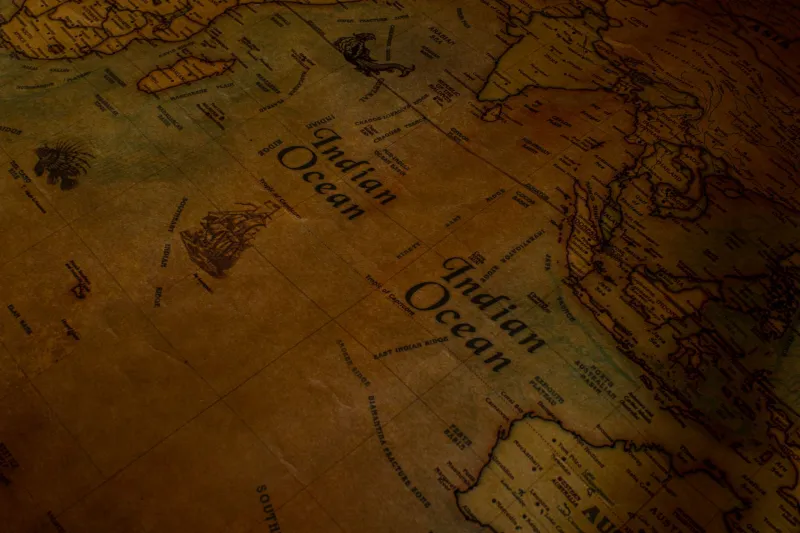
Because sometimes the places that don't look like much on a map are exactly the ones worth finding.
And if there's one thing experienced travelers seem to agree on, it's this: the map is never the whole story. The best discoveries live in the gaps between what you planned to find and what the place actually had to offer—if you were paying attention.