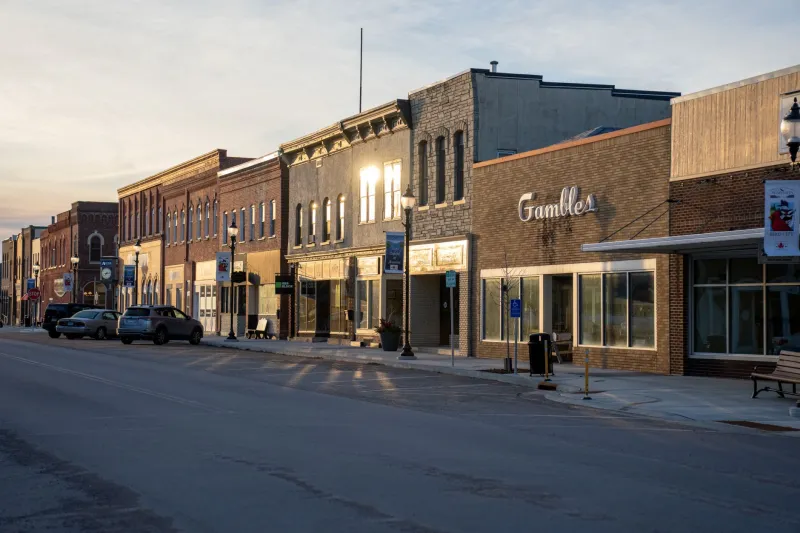
Stop Rushing: Why Spending 72 Hours in One Overlooked Region Beats Three Cities in a Weekend
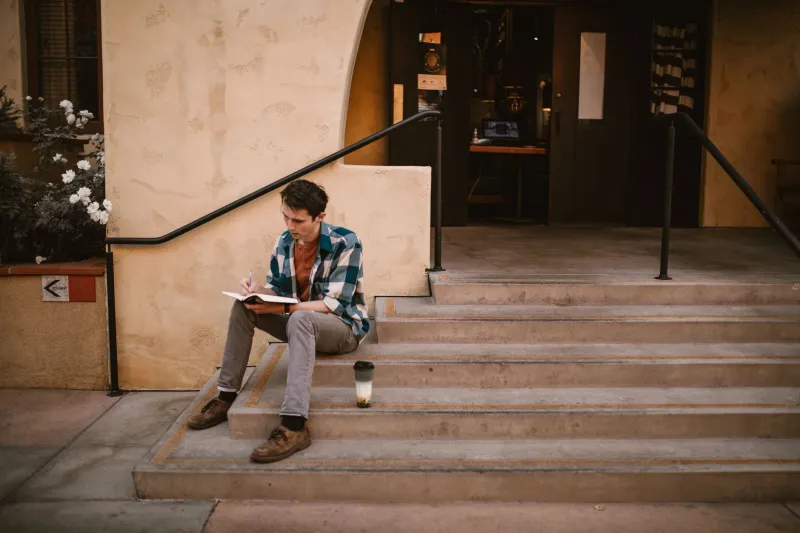
Here's a scenario that probably sounds familiar. You spend months planning a trip, fly somewhere exciting, spend two days speed-running a checklist of famous spots, and come home exhausted with a camera full of photos you already knew existed before you took them. You saw things. You did not experience anything.
An increasing number of American travelers have started pushing back against that model — not by going to more exotic places, but by going slower. Specifically, by planting themselves in a single overlooked region for 72 hours and refusing to move on until they've actually figured out what's there.
The results, based on what travelers are reporting, are pretty consistently extraordinary.
Where the 72-Hour Rule Came From
The concept didn't emerge from a travel magazine or a tour operator's marketing deck. It grew organically out of frustration. Remote workers who suddenly had location flexibility started experimenting with longer stays in smaller places — not the obvious weekend-trip cities, but the second-tier towns, rural counties, and overlooked regions that sit just outside the spotlight.
What they discovered was that 72 hours is roughly the amount of time it takes for a place to stop performing for you and start just being itself. The first day, you're a tourist. By the third day, you're starting to understand what the place actually is.
Social media did the rest. When people started sharing the specific, unusual, deeply local things they'd found by staying long enough to find them — the Tuesday-morning farmers market that locals actually shop at, the diner that's been run by the same family since 1962, the hiking trail that doesn't show up on any app — other travelers took notice.
The Regions That Reward Patience
Not every destination benefits equally from the slow-travel approach. Some places are genuinely built for quick visits — they have a handful of iconic things to see and not much beneath the surface. But certain types of regions absolutely come alive when you give them time.
The Driftless Area of southwestern Wisconsin is a good example. Most travelers have never heard of it, and those who have usually can't quite explain what makes it special until they've spent a few days there. It's a region of rolling hills and spring-fed streams that escaped the last ice age's flattening effect, leaving behind a landscape that looks nothing like the rest of the Midwest. One day in the Driftless Area gives you a nice drive. Three days gives you the farm-to-table restaurants sourcing from neighbors, the local artists who moved there specifically for the light, and the sense that you've found something most people are walking right past.
Similar dynamics play out in the Northern Neck of Virginia, the Flint Hills of Kansas, the Palouse region of eastern Washington, and dozens of other places that don't have the name recognition to attract quick-hit tourism but have more than enough depth to reward travelers who stay.
How to Actually Find These Places
The honest answer is that the best slow-travel destinations are the ones that don't aggressively market themselves as slow-travel destinations. As soon as a region starts branding itself around "authenticity" and "off the beaten path," it's usually already past the point of being either.
Instead, look for regions with a strong local identity that predates tourism. Agricultural heritage, specific craft traditions, unusual geology, distinct regional cuisine — these are signs that a place has a reason to exist beyond attracting visitors. That foundation is what makes extended stays interesting.
A few practical starting points:
- Check regional food coverage. Local food writers and agricultural journalists often spotlight regions before travel writers catch on. If a place is showing up in farm-to-table coverage but not in "best weekend trips" listicles, that's your window.
- Look at where artists are moving. Artist migration tends to precede tourism by a few years. If a rural region is showing up in studio residency announcements or emerging gallery coverage, it's worth investigating.
- Use county-level research. Instead of searching for specific towns, search for counties. County tourism boards often have information about the whole region that individual town pages miss.
- Ask the question nobody asks. When you find a place you're curious about, search for "what do locals actually do in [place]" rather than "what to do in [place]." The results are different.
What Travelers Are Actually Finding
Amanda, a graphic designer from Chicago who started experimenting with 72-hour regional stays in 2022, describes her first trip to the Shawnee National Forest region in southern Illinois as "the first time I came back from a trip actually rested and also somehow more curious about everything."
She'd expected to hike. She did hike. But she also ended up at a winery that's been operating since the 1850s, stumbled into a conversation with a retired geologist who led her to rock formations she'd never have found on her own, and ate at a restaurant that sources almost everything within 20 miles. None of that was on her original itinerary. All of it required being somewhere long enough to notice it.
That pattern — the itinerary giving way to something better — is the consistent thread in slow-travel accounts. You can't plan the best parts. You can only stay long enough for them to happen.
The Practical Case for Slowing Down
Beyond the experiential argument, there's a straightforward economic logic to the 72-hour approach. Fewer flights, lower transportation costs, and the ability to cook some meals in a rental rather than eating every single one out makes longer regional stays surprisingly affordable compared to multi-city trips.
Local economies also benefit more from travelers who stay. A visitor who spends three days in a small region shops at local stores, eats at local restaurants repeatedly, and might hire local guides or take local classes. The economic footprint is deeper and more evenly distributed than the tourist who blows through in four hours.
For the places WonderMap cares most about — the ones that are genuinely special and haven't yet been overwhelmed by the crowds that recognition brings — that kind of visitor is exactly what makes sustainable discovery possible.
Slow down. Stay longer. The place will show you what it actually is.